

Resources
Resources
Let's delve into the world of HVAC together and equip you with the information you need to enhance your indoor environment.
Condenser & Outdoor Unit
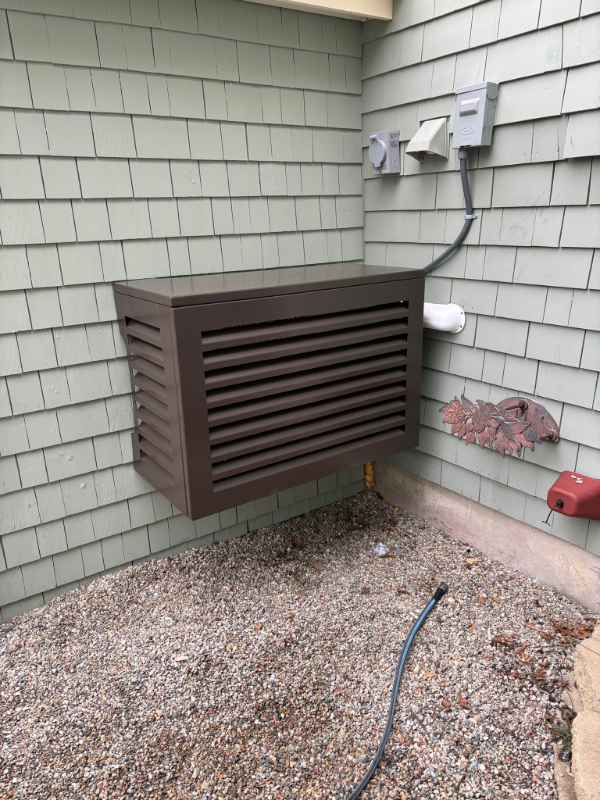

- Quality Heating & Air Conditioning Solutions
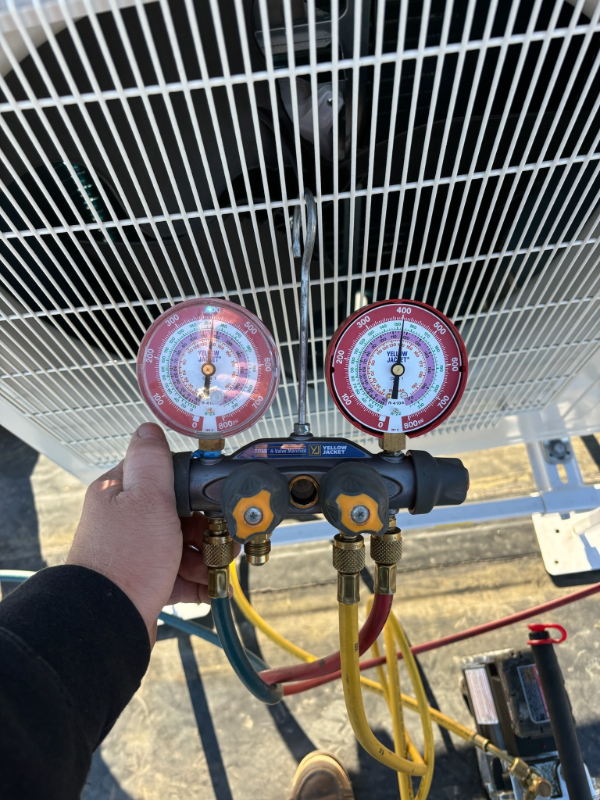
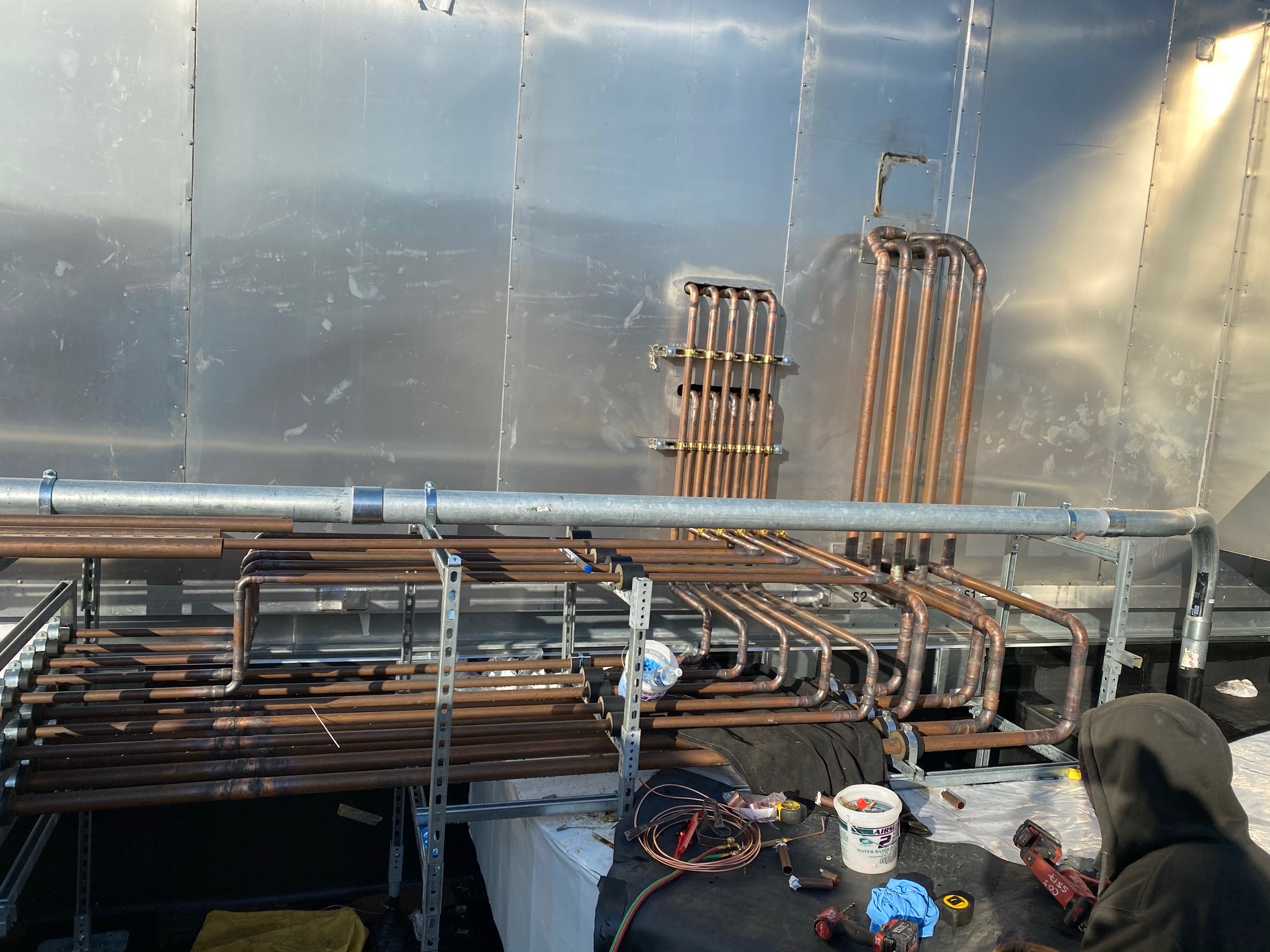
Average Savings When Converting To Modern System
Let's delve into the world of HVAC together and equip you with the information you need to enhance your indoor environment.
Why Chose A Ductless System?
Ducted Heat Pump?
HVAC FAQs
You have questions about your HVAC equipment, and we have answers. At A&A Mechanical, it’s our goal to provide you with exceptional heating and cooling services whether we’re on the job or not—that’s why we’ve answered some of our most frequently asked HVAC questions.
Make sure to check back soon because the HVAC FAQs page will be updated regularly—and contact us if you don’t see your question here!
Our team boasts over a decade of experience in the HVAC industry. We have encountered and successfully addressed various challenges, ensuring expert solutions for your needs.
HVAC Glossary Of Terms
Welcome to your comprehensive guide to deciphering the terminology that fuels the world of HVAC. This glossary is designed to demystify the jargon and provide you with a clear understanding of key concepts.
From air handlers to zoning, and everything in between, let's embark on a journey through the language of comfort and discover the vital components that keep our indoor spaces just the way we like them.
This glossary covers many key terms in the HVAC industry. If you encounter more specific terms or concepts, feel free to refer to this glossary or seek further clarification from HVAC professionals.

The indoor unit of a split HVAC system that circulates conditioned air through ductwork.
British Thermal Unit - A unit of measurement for heat energy. It represents the amount of energy needed to raise the temperature of one pound of water by one degree Fahrenheit.
The component in an air conditioner or heat pump responsible for compressing refrigerant gas, facilitating heat exchange between the indoor and outdoor units.
The outdoor unit's coil in an air conditioning or heat pump system, where hot refrigerant gas releases heat to the outside air.
The network of channels that distribute heated or cooled air throughout a building, allowing air to flow from HVAC systems to various rooms.
The indoor unit's coil in an air conditioning or heat pump system, where refrigerant evaporates and absorbs heat from indoor air.
A system that can both heat and cool a space by moving heat from one place to another, often using the outdoor air or ground as the heat source or sink.
A device that adds moisture to indoor air, increasing humidity levels for improved comfort and health.
A control device that allows users to adjust and regulate the temperature of an HVAC system, often programmable for energy savings.
A measure of an air conditioner or heat pump's efficiency, calculated by dividing the cooling output during a typical cooling season by the energy input.
A measure of a furnace's efficiency, indicating how much of the fuel is converted into usable heat over an entire heating season.
A rating that indicates a filter's effectiveness at removing particles from the air; a higher MERV rating indicates better filtration.
The substance used in air conditioning and refrigeration systems to absorb and release heat during the cooling cycle.
A system that divides a building into separate areas with independent temperature control, allowing customized comfort in different zones.
A measure of insulation material's resistance to heat flow. Higher R-values indicate better insulation performance.
A component in a furnace that transfers heat from the combustion process to the air or water being heated.
The process of supplying fresh air to indoor spaces and removing stale or polluted air, contributing to indoor air quality.
An HVAC system that provides heating and cooling without ductwork, consisting of an outdoor unit connected to one or more indoor air-handling units.
Device that exchanges heat and moisture between incoming and outgoing air, improving indoor air quality while conserving energy.
Device that exchanges heat and moisture between incoming and outgoing air, improving indoor air quality while conserving energy.